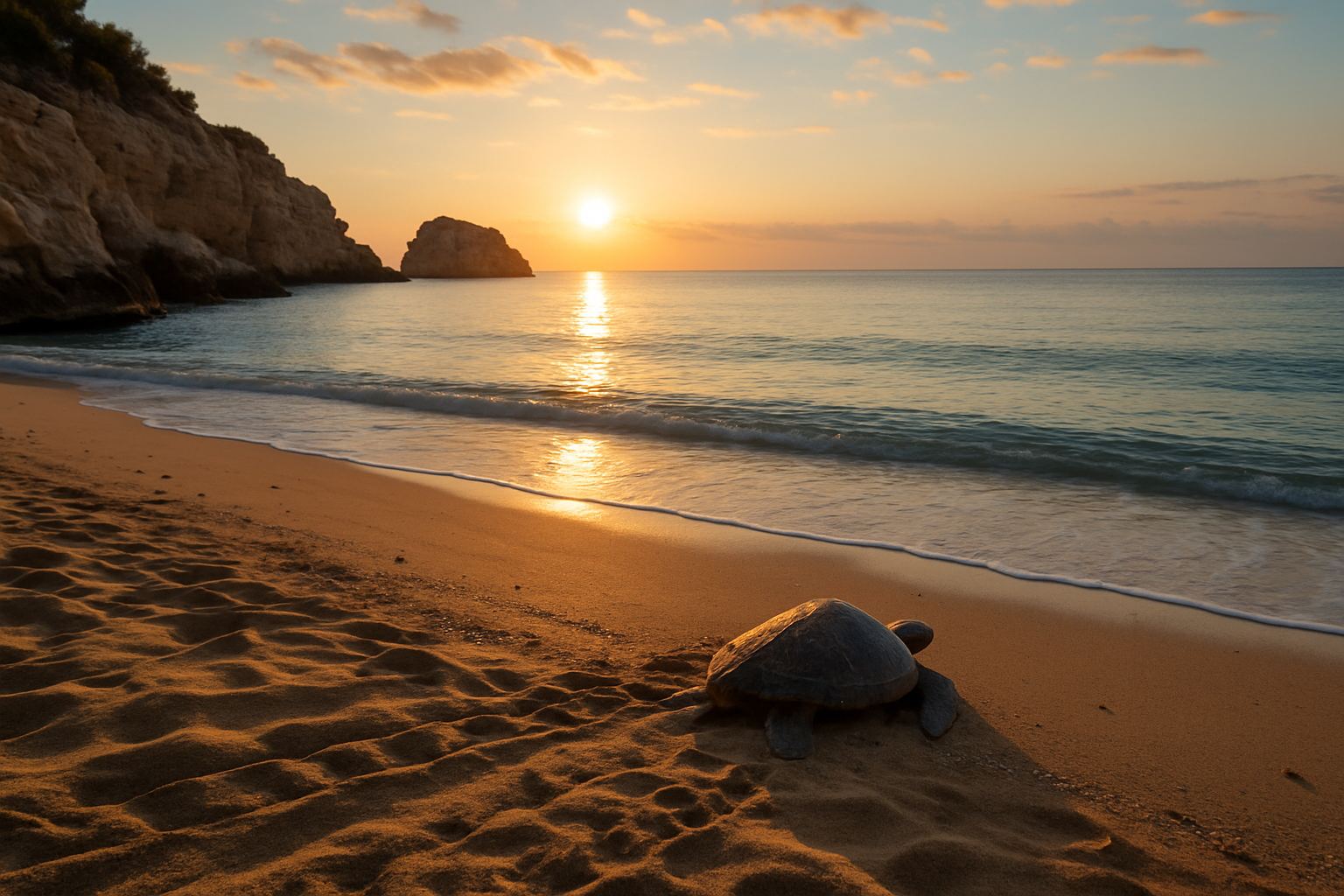
Imagine a serene evening on a Cypriot beach: the sun is slipping below the horizon and the gentle waves are whispering secrets. Suddenly, a loggerhead turtle emerges from the surf, her silhouette etched against the fading light. This ritual, as ancient as the sea itself, is a testament to the island’s unique role in the lifecycle of these majestic creatures. However, their existence is fragile, and the continued survival of sea turtles in Cyprus depends on concerted conservation efforts.
Cyprus, with its idyllic coastline, serves as a significant nesting ground for two endangered species of sea turtles: the loggerhead (Caretta caretta) and the green turtle (Chelonia mydas). The island's beaches, particularly those in the Akamas Peninsula and along the northern coast, are among the few remaining pristine nesting sites in the Mediterranean. Each year, from May to August, mother turtles return to the same shores where they once hatched, laying their eggs in carefully dug nests. Yet, despite the turtles' resilience, increased tourism, coastal development, and climate change pose substantial threats to their nesting sites.
In response, Cyprus has become a leader in turtle conservation. The island's efforts began in earnest in the late 1970s, spearheaded by the creation of the Lara-Toxeftra Turtle Reserve. The reserve, established under the Cyprus Wildlife Protection Law, covers approximately 650 hectares and several kilometres of coastline. It remains crucial in safeguarding the delicate balance of this marine ecosystem. Here, conservationists and volunteers work tirelessly to monitor nesting activity, protect nests from predators, and ensure that hatchlings make their perilous journey to the sea.
One of the most effective strategies employed is the protection of nests with wire cages, which prevent predation by foxes and other animals. Additionally, human presence is managed through controlled beach access, significantly reducing disturbances. Educational campaigns, aimed at locals and tourists alike, raise awareness about the importance of protecting these creatures. Simple actions, such as avoiding beach bonfires and using turtle-friendly lighting, can dramatically reduce disorientation among hatchlings.
The commitment to turtle conservation is a collaborative effort involving local communities, government agencies, and international organisations. Cyprus' Department of Fisheries and Marine Research plays a pivotal role in coordinating these activities, supported by NGOs such as the Cyprus Wildlife Society and the Marine Turtle Conservation Project. These groups conduct research and implement conservation programs that are vital to understanding the pressures facing turtles today.
Community Involvement: A Key Component
The heart of Cyprus’ conservation success lies in community involvement. Local volunteers are trained to become turtle wardens, patrolling beaches during nesting season to collect data and protect nests. This grassroots approach not only strengthens conservation efforts but also fosters a sense of ownership and pride among island residents. Tourism operators are also engaged, ensuring that the burgeoning industry respects and supports environmental sustainability.
Tourists visiting Cyprus can contribute to these conservation efforts by participating in eco-tourism activities. Many tour companies offer guided turtle-watching excursions, providing a fascinating insight into these creatures' life cycles while supporting conservation funding. Visitors are encouraged to respect marked nesting areas and adhere to guidelines that minimise disturbance.
Ultimately, the survival of Cyprus' sea turtles depends on continued vigilance and support. By recognising the delicate interplay between tourism and conservation, Cyprus has set a benchmark for sustainable practices in the region. For those considering a move to this enchanting island, becoming part of this conservation effort can be a rewarding experience. If you're contemplating making Cyprus your home, our relocation help can guide you through the process, ensuring you make the most of what Cyprus has to offer.
As you stroll along Cyprus' golden sands, remember that beneath your feet lies a centuries-old legacy of life. By supporting and participating in conservation efforts, you can help ensure that this legacy continues for generations to come. Cyprus' sea turtles are more than just an attraction; they are a symbol of the island’s natural heritage and a reminder of our shared responsibility to protect the environment.
