Most wines measure their history in decades. A proud few manage centuries. Commandaria, the amber dessert wine from the southern slopes of the Troodos Mountains, is routinely described as the world's oldest named wine still in production, with a name that has been attached to the same wine from the same hillsides since the era of the Crusades.
Where the name comes from
After the Third Crusade, Cyprus passed into the hands of the Knights of St John, whose great estate around Kolossi Castle, west of Limassol, was known as the Grande Commanderie. The sweet wine produced on the estate's land took its name from the place: Commandaria. The wine itself is far older than the name. Sweet sun-dried grape wine was being made on Cyprus in antiquity, and an earlier incarnation was known simply as nama. The Crusaders did not invent it. They just branded it.
The most famous story attached to it involves Richard the Lionheart, who conquered Cyprus in 1191 and married Berengaria of Navarre at Limassol. He is reported to have declared the local wine "the wine of kings and the king of wines" at the wedding feast. Like most twelfth-century banquet quotes, it is tradition rather than transcript, but it has stuck for over eight hundred years, which tells you something about the wine's reputation.
How it is made
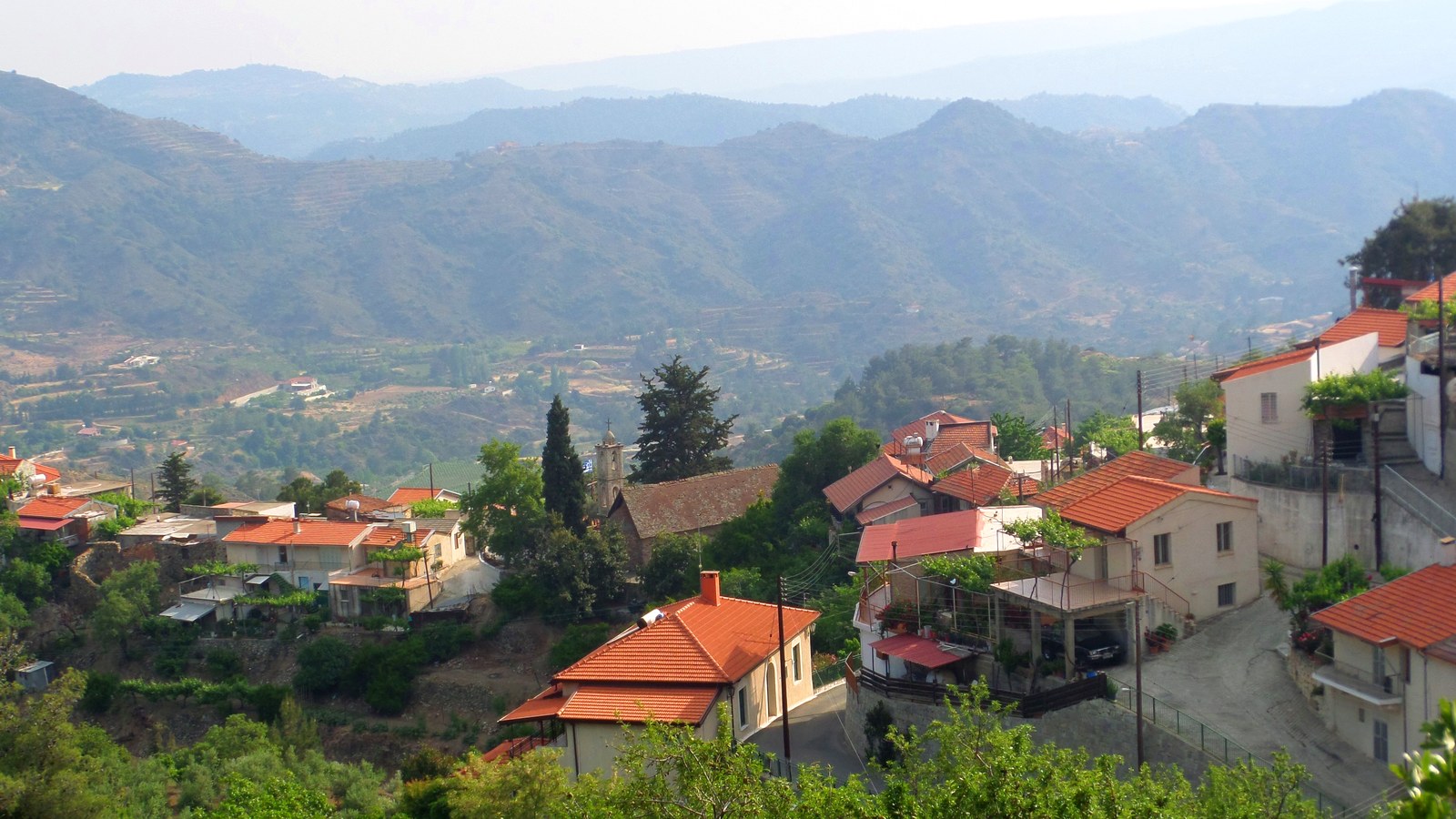
Commandaria holds Protected Designation of Origin status, and the rules are strict. It can only be made in a defined region of fourteen villages on the south-facing foothills of the Troodos, places like Zoopigi, Kalo Chorio, Silikou and Agios Mamas, from two indigenous grape varieties: Xynisteri, the island's white workhorse, and Mavro, its ancient red.
The method is the interesting part, and it has barely changed. The grapes are picked late, then laid out in the sun for a week or more to shrivel and concentrate their sugars. Only then are they pressed. The resulting wine is intensely sweet and rich, and it goes on to mature in oak, developing the flavours that define it: raisins, dried figs, honey, coffee, spice and a long caramel finish. Alcohol typically sits around fifteen percent, and the colour runs from deep amber to mahogany with age. Some producers age it for decades, and old Commandaria is genuinely one of the great sweet wines of the world at a fraction of the price of its French and Portuguese rivals.
How to drink it
Slightly cool, in a small glass, at the end of a meal. It is superb with blue cheese, with anything involving almonds or dried fruit, with dark chocolate, or entirely on its own instead of dessert. In Cyprus it also carries a ceremonial weight: it is the wine of celebrations and church, and many tavernas will pour you a small complimentary glass at the end of a big dinner.
A perfectly good bottle costs under ten euros in any supermarket on the island. Serious aged bottlings from single villages run higher, and are worth it. If you want to go to the source, the Commandaria villages themselves make a beautiful half-day drive from Limassol: terraced vineyards, stone villages stacked on hillsides, and small wineries where the person pouring your tasting is usually the person who made the wine.
Why it matters
Plenty of countries make good sweet wine. What Cyprus has is continuity: the same grapes, the same sun-drying trick and the same patch of hillside, producing the same style of wine under the same name for the better part of a millennium, and much longer if you count its unnamed ancestors. Drinking it is the closest thing wine offers to time travel. Most souvenirs from Cyprus end up in a drawer. A bottle of Commandaria ends up opened on a cold evening at home, tasting of raisins, honey and eight hundred years of stubborn tradition.
