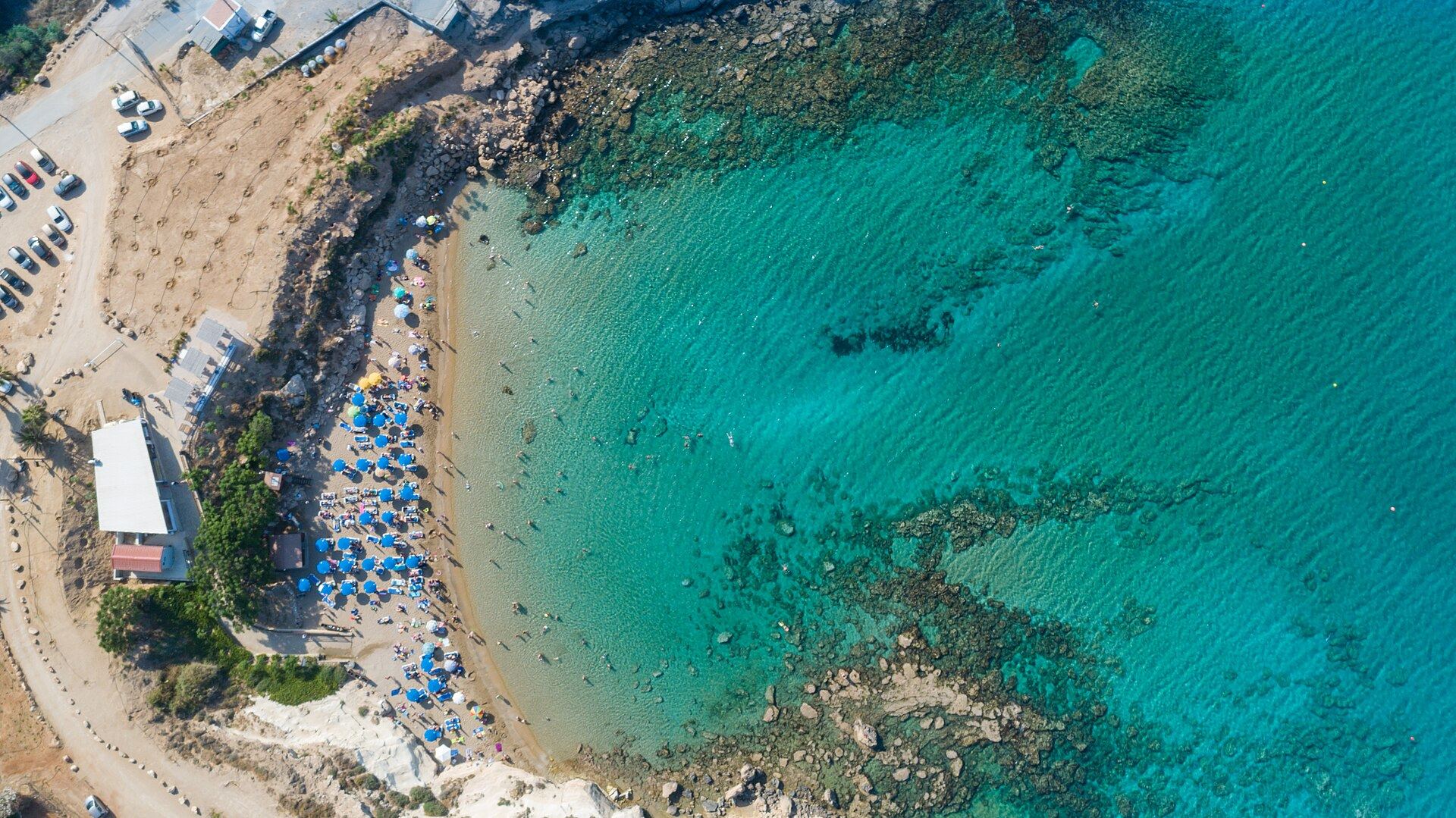
Paralimni is the working heart of the Cyprus east coast, the largest town of the free Famagusta district and the administrative home of the whole Protaras resort strip. While the coast does the tourism, Paralimni does normal life: church squares, weekday markets, school runs, coffee shops full of locals. That makes it one of the best places on this side of the island to see everyday Cyprus, and an increasingly popular base for expats who want the beaches without living inside a resort.
The town sits in the Kokkinochoria, the red soil villages that grow the island's famous potatoes, and the fields still run right up to the houses. On the north edge is Paralimni Lake, a seasonal wetland that fills in winter and empties in summer, protected under Natura 2000 for its birdlife and a grass snake found nowhere else in the world. A few minutes further north the road ends at the Green Line, and from the Deryneia viewpoint you look straight across at the sealed hotels of Varosha, one of the strangest sights in Cyprus. Protaras and its beaches are ten minutes east, Ayia Napa fifteen minutes south, Larnaca airport about forty five minutes. For anyone thinking of moving here, that combination of real town, real prices and a resort coast next door is the whole point.
The town sits a couple of kilometres inland on a shallow seasonal lake (the "limni" in the name), with its coastal suburb of Kapparis running down to a string of small sandy coves, Fireman's Beach and Malama among them, that stay far calmer than Fig Tree Bay in season.
From here everything on the east coast is 10 to 20 minutes: Protaras, Cape Greco, Ayia Napa, the Deryneia viewpoints over Famagusta and the red-soil farming villages that grow the famous Kokkinochoria potatoes.
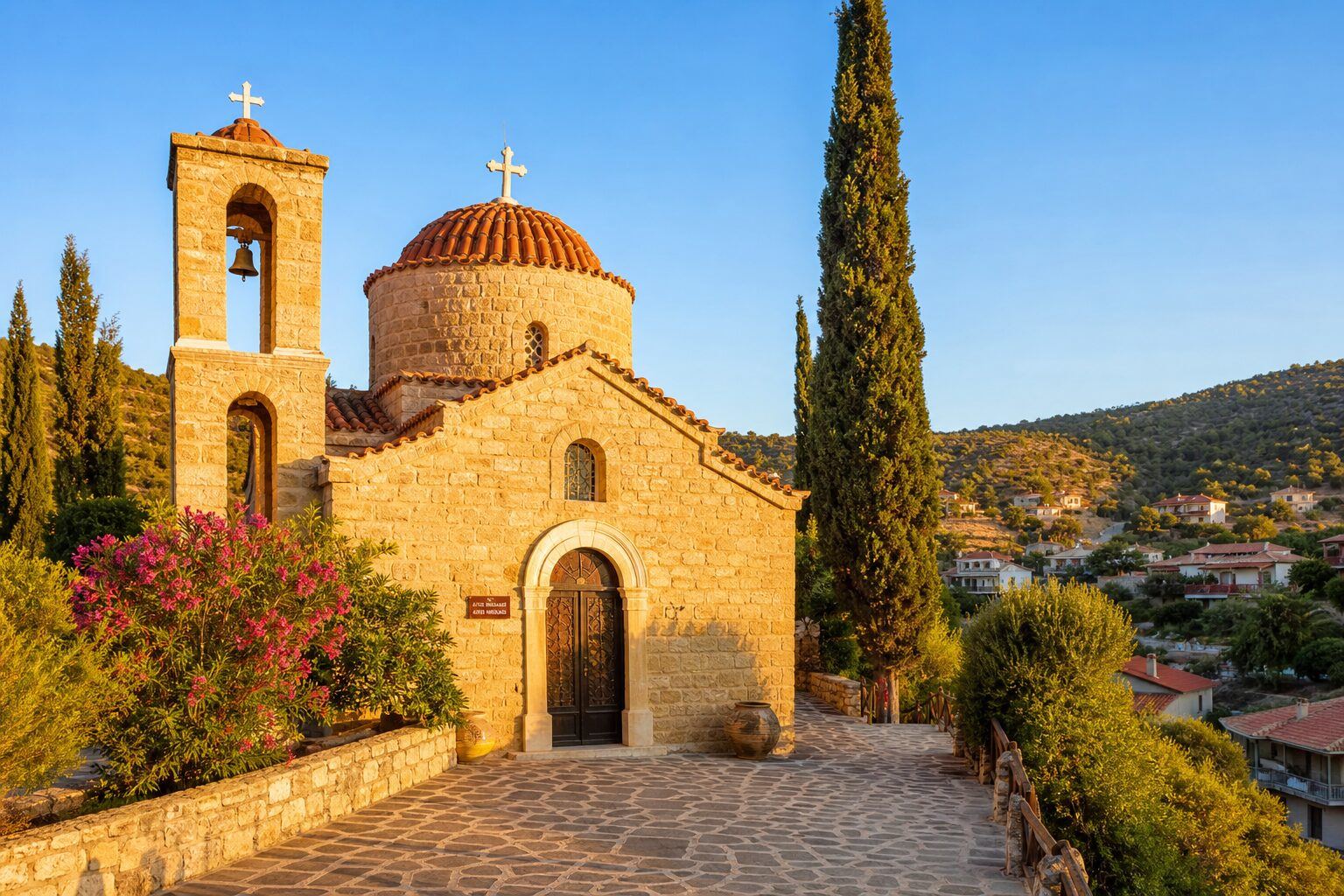
Paralimni's central square holds three churches side by side: the small medieval Panagia with its unusual double aisles and 18th century porcelain-plate decoration, its 19th century successor, and the big modern Agios Georgios. Together they tell the town's whole story in one plaza.
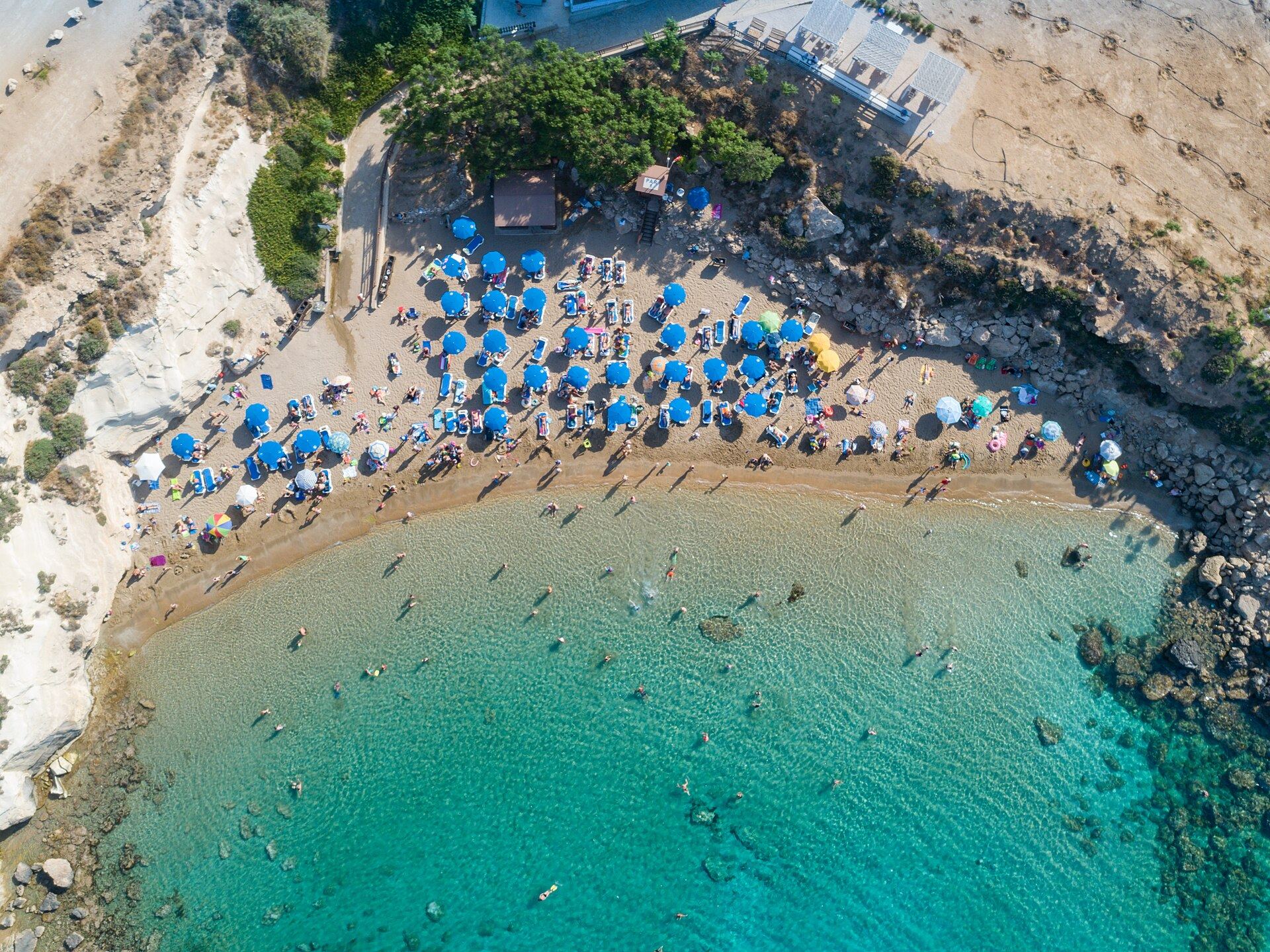
Paralimni's own slice of coast: a chain of small sandy coves with clear, shallow water. Fireman's Beach and Malama Beach are the local favourites, family-friendly and noticeably quieter than the Protaras strip, with tavernas and cafes behind the sand.
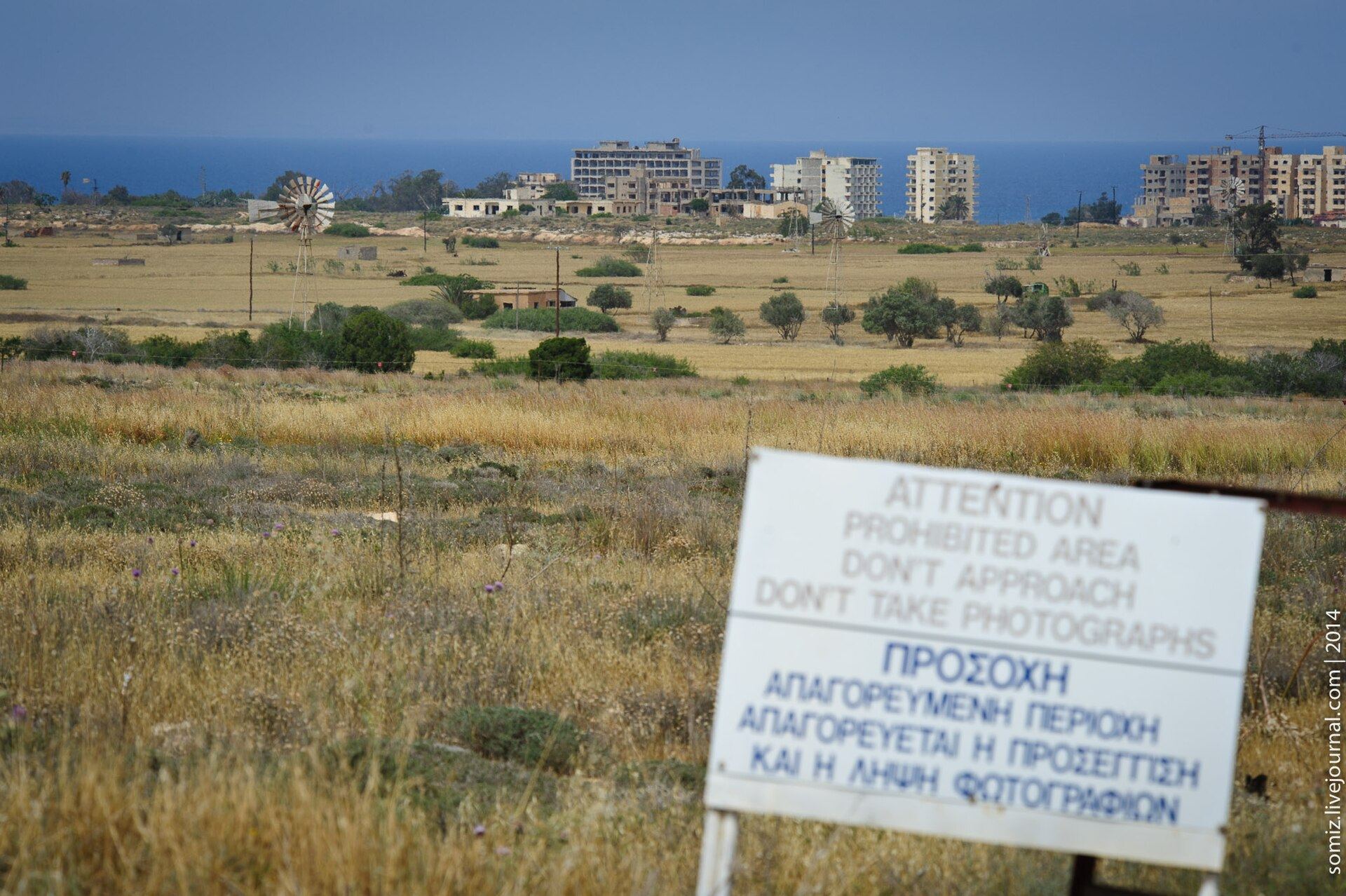
Ten minutes away in neighbouring Deryneia, cultural centre viewpoints look across the Green Line to the sealed ghost town of Varosha and the skyline of Famagusta. Sobering, fascinating, and one of the most memorable stops on the island.
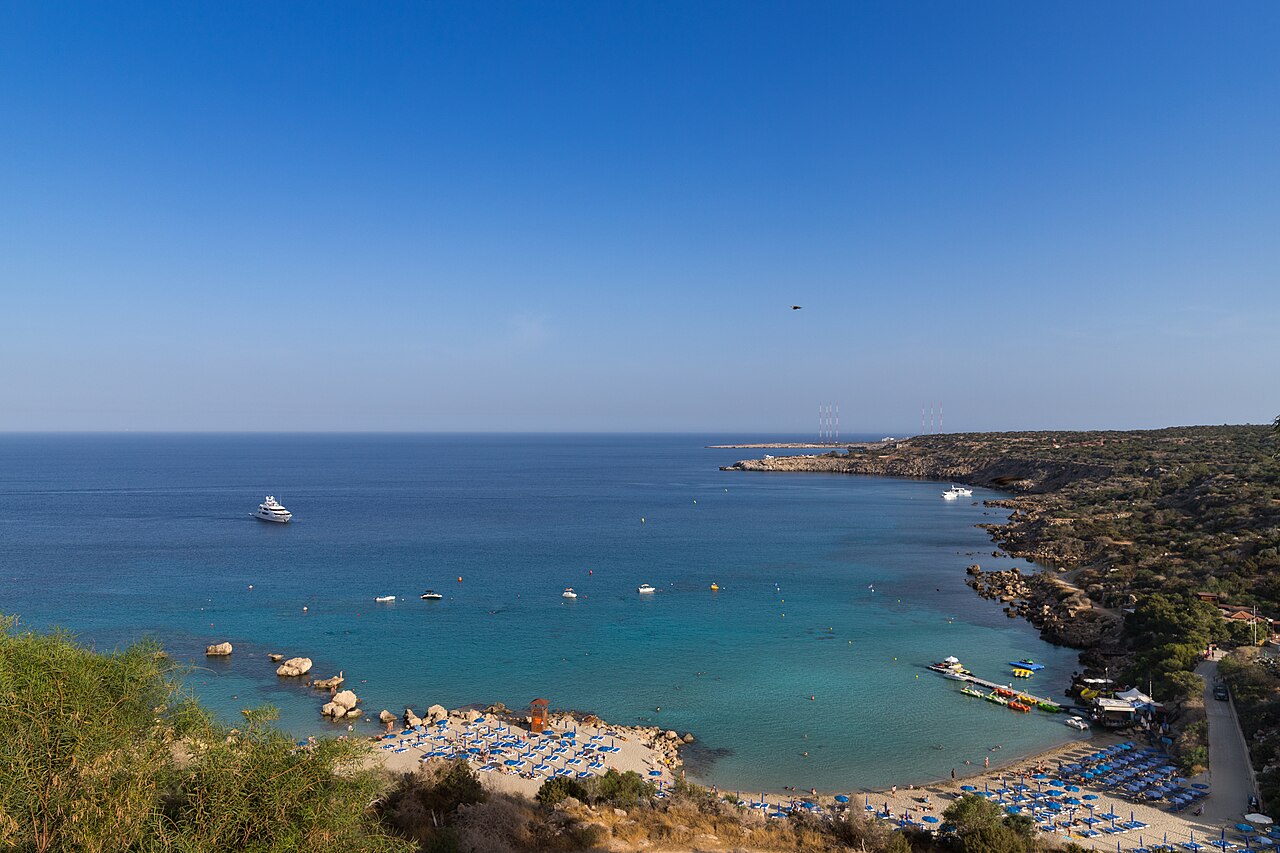
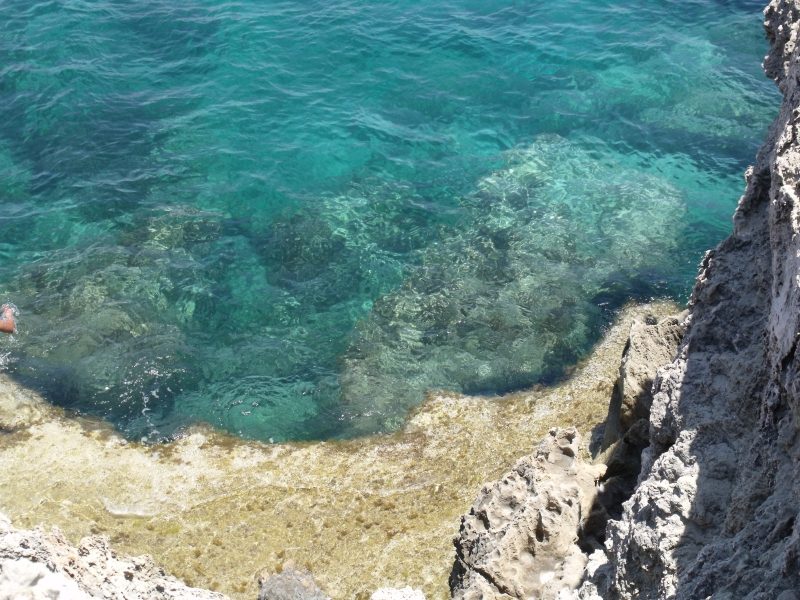
A short drive south, Konnos Bay curls turquoise beneath pine slopes at the edge of the Cape Greco National Forest Park. Walk the coastal trails to sea caves, natural arches and clifftop viewpoints, then swim off the rocks in some of the clearest water in Cyprus.
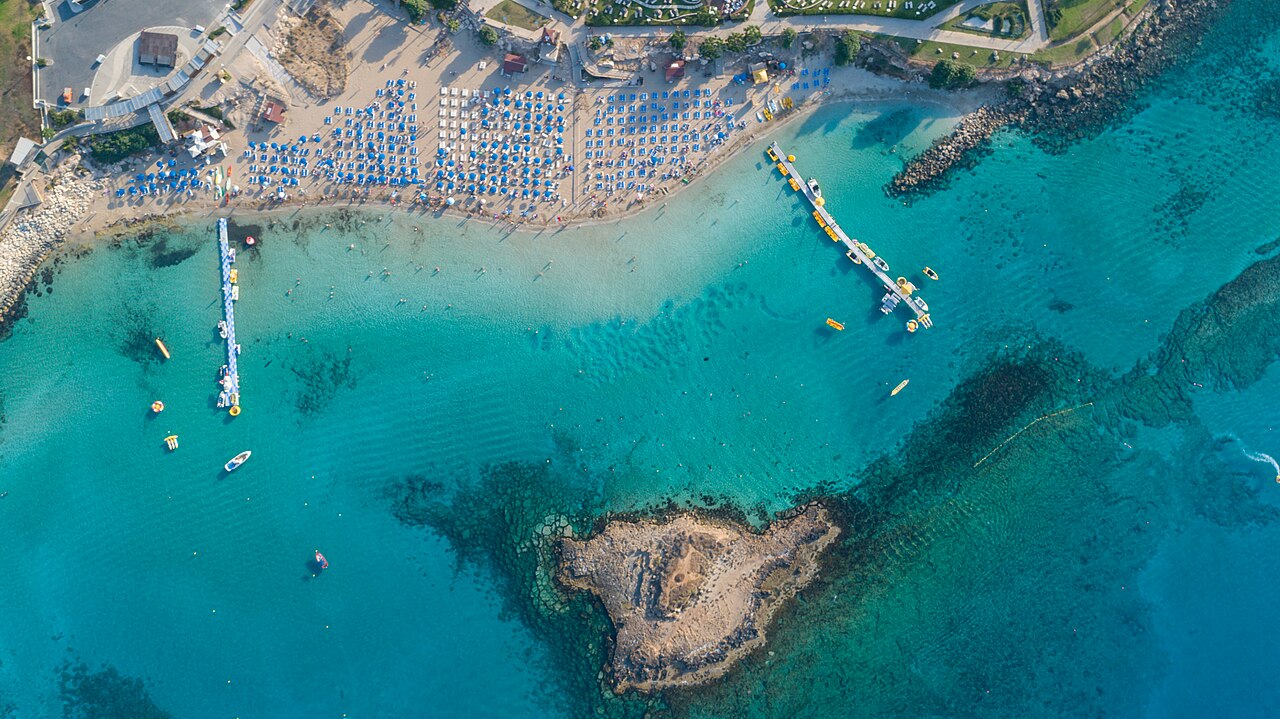
The famous resort coast is Paralimni's front garden, 10 minutes down the hill. Fig Tree Bay's golden sand and swim-to islet, the seafront promenade and the full menu of water sports are all effectively on your doorstep.
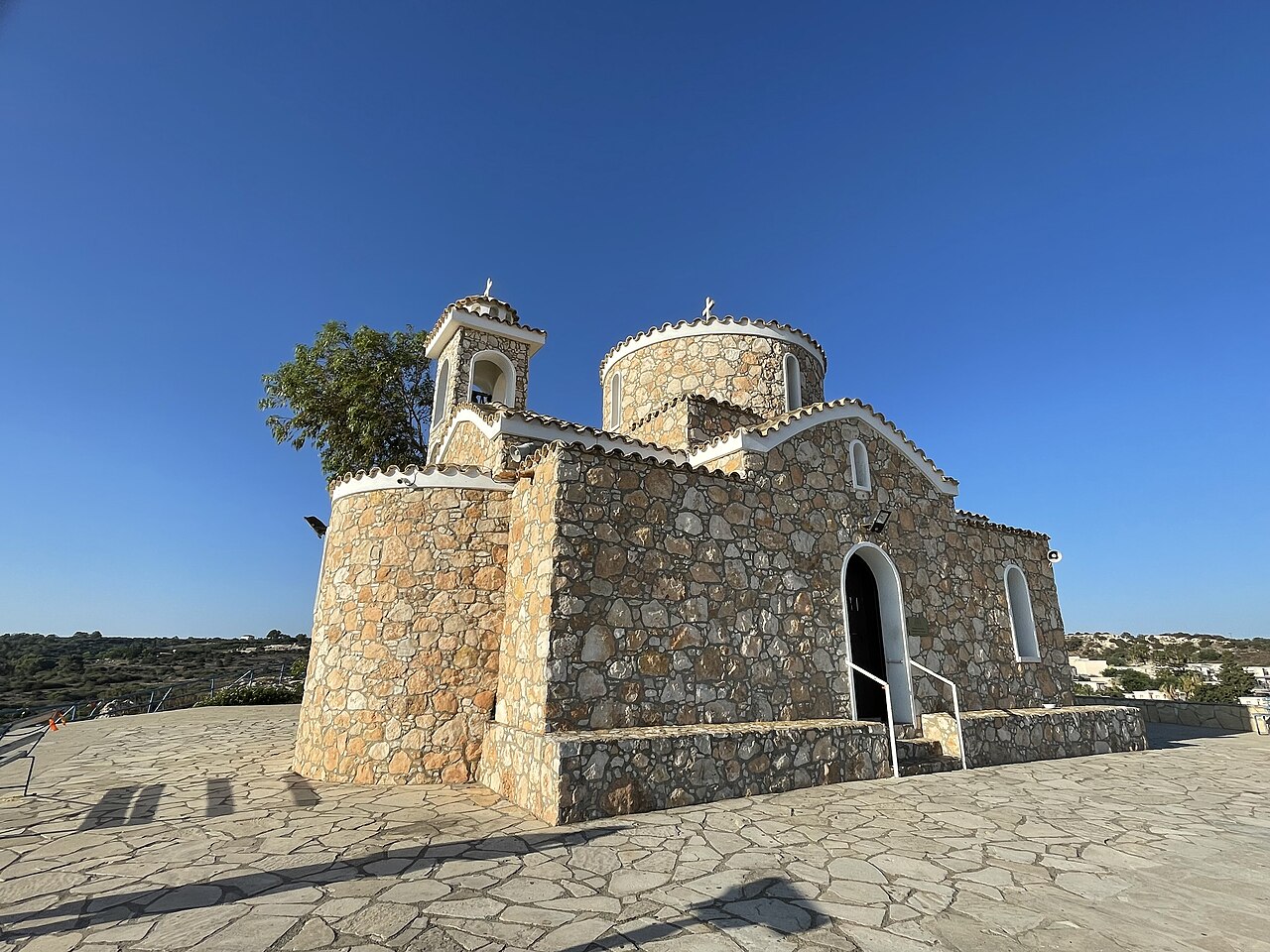
The little chapel on the rock above Protaras, reached by around 150 steps, gives the best sunset panorama on the east coast: the whole shoreline, the Kokkinochoria plain and, on a clear evening, the lights of Famagusta.
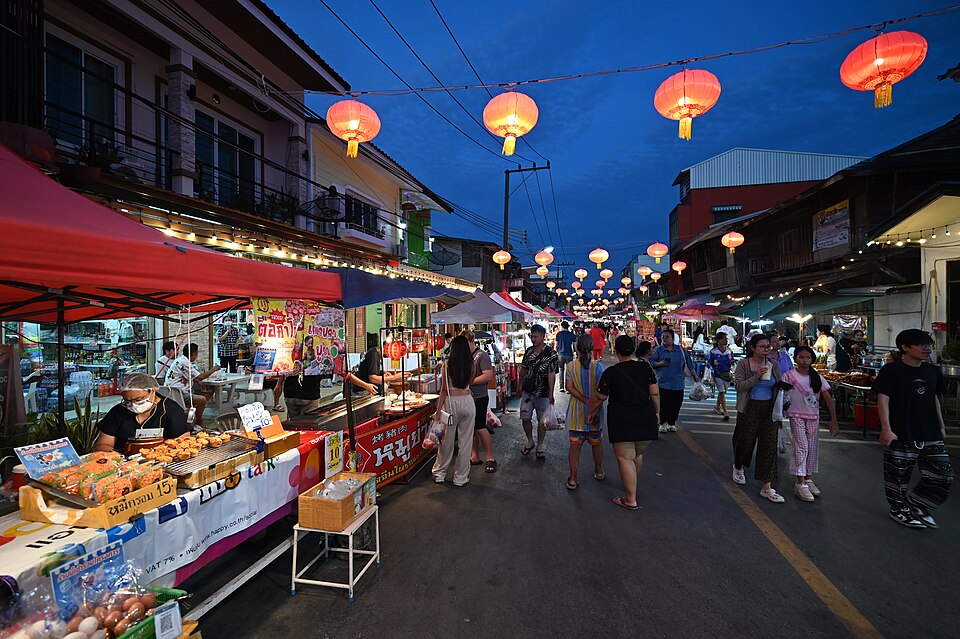
Paralimni's shops, bakeries and kafeneia are where the east coast actually lives. Around the town spread the Kokkinochoria, the "red villages", whose iron-rich soil grows the potatoes Cyprus is genuinely proud of. Roadside stalls sell whatever came out of the ground that morning.
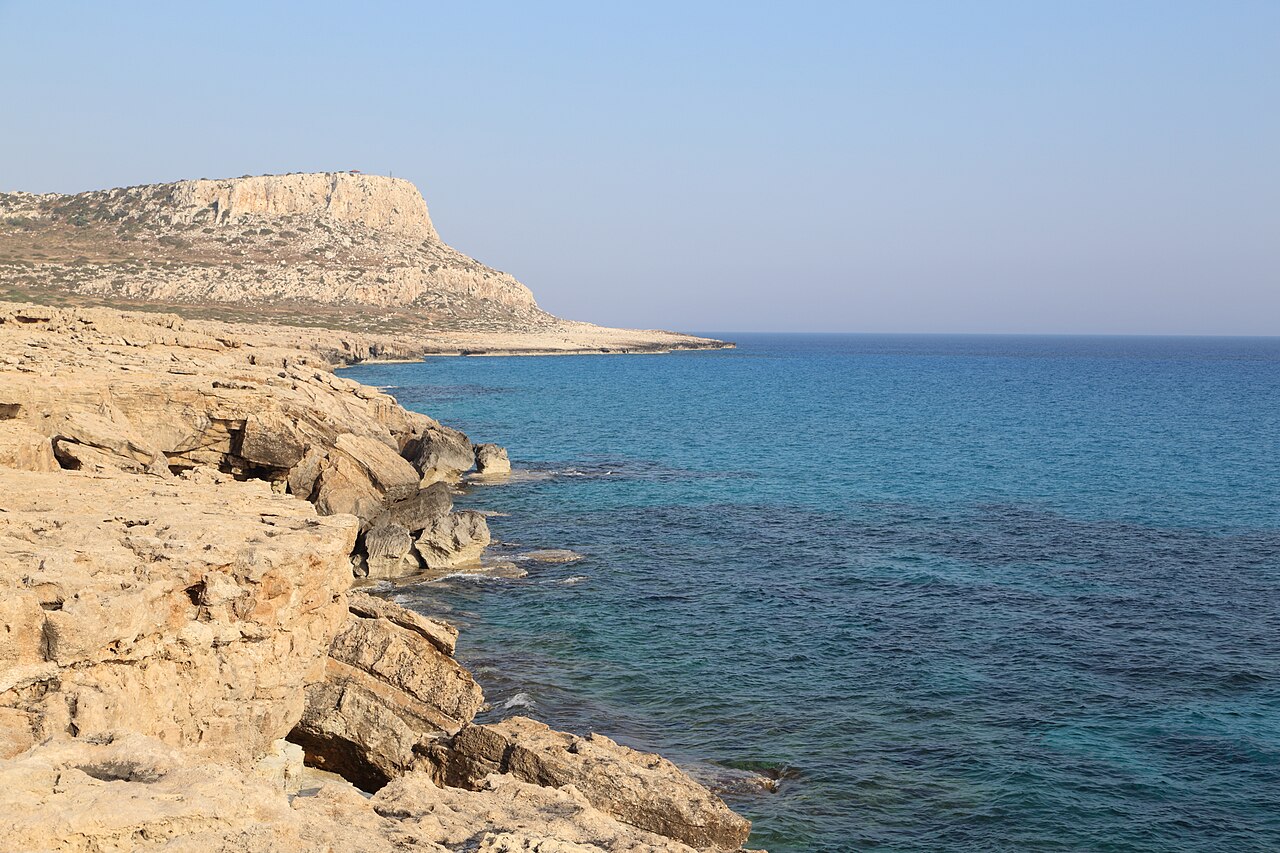
South of Protaras, the coast towards Cape Greco has Cyclops Cave, the far point of a short loop from Konnos Bay, and the sea cave under the chapel of Agioi Anargyroi; the famous Sea Caves are on the Ayia Napa side of the cape. A signed coastal path runs from Konnos Bay past Agioi Anargyroi and the Kamara tou Koraka arch to the Sea Caves, about 5.5 km one way, at its finest in the soft light of early morning. Keep back from the edges: the cliff top at the Sea Caves has been fenced since May 2026.
Fifteen minutes away: Nissi Beach, the medieval monastery in the old town, the Thalassa museum and the waterparks. Do the fun, then retreat to Paralimni's quieter evenings.
Family-run tavernas around the town do the east coast's best-value Cypriot cooking: souvla, kleftiko and proper meze, priced for locals rather than tourists.
Down at Kapparis the tavernas behind the coves serve fresh fish, calamari and village salads a short barefoot walk from the water.
Old-school coffee houses and bakeries selling flaounes, tahini pies and fresh village bread. Morning coffee here is the real Paralimni.
Drive 10 minutes into the red-soil villages, Sotira, Frenaros, Avgorou, for no-frills grill houses where the potatoes come from the field next door.
See live listings of festivals, markets and events happening around Paralimni, Protaras and Ayia Napa, refreshed daily on our events calendar.
The calendar runs five years ahead. Fixed and Easter-linked dates are exact; festivals with organiser-set dates show their usual month until confirmed. If a month is quiet, the next events coming up are listed instead.
We can put a personalised itinerary together, or just point you at the right tavernas. No pressure either way.
Get in touch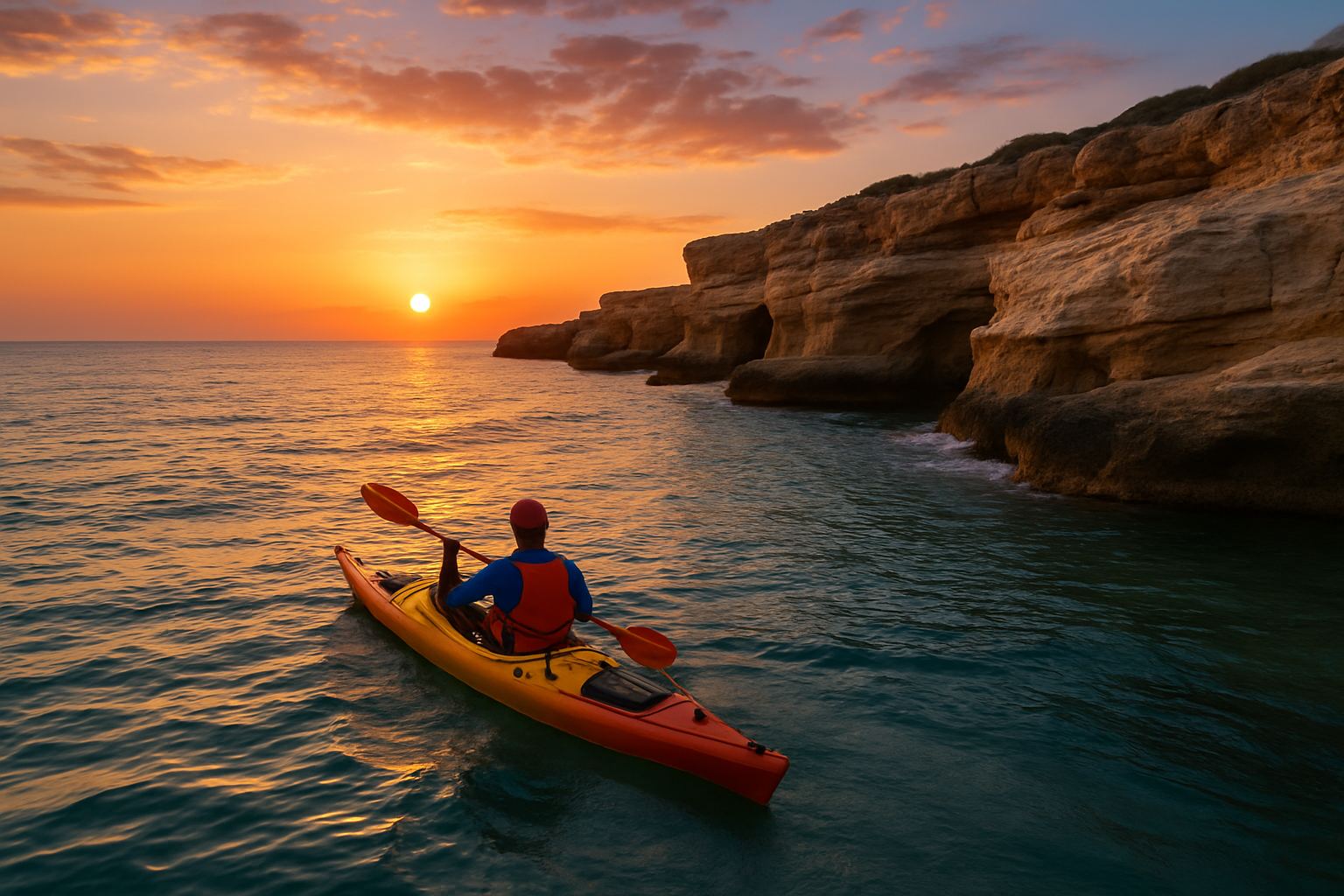
Two operators run sunset kayak tours in Cyprus in 2026, at Pomos and Latchi and in Limassol. Where the sun really sets over the sea, what the tours cost and the rules for paddling at dusk.
Read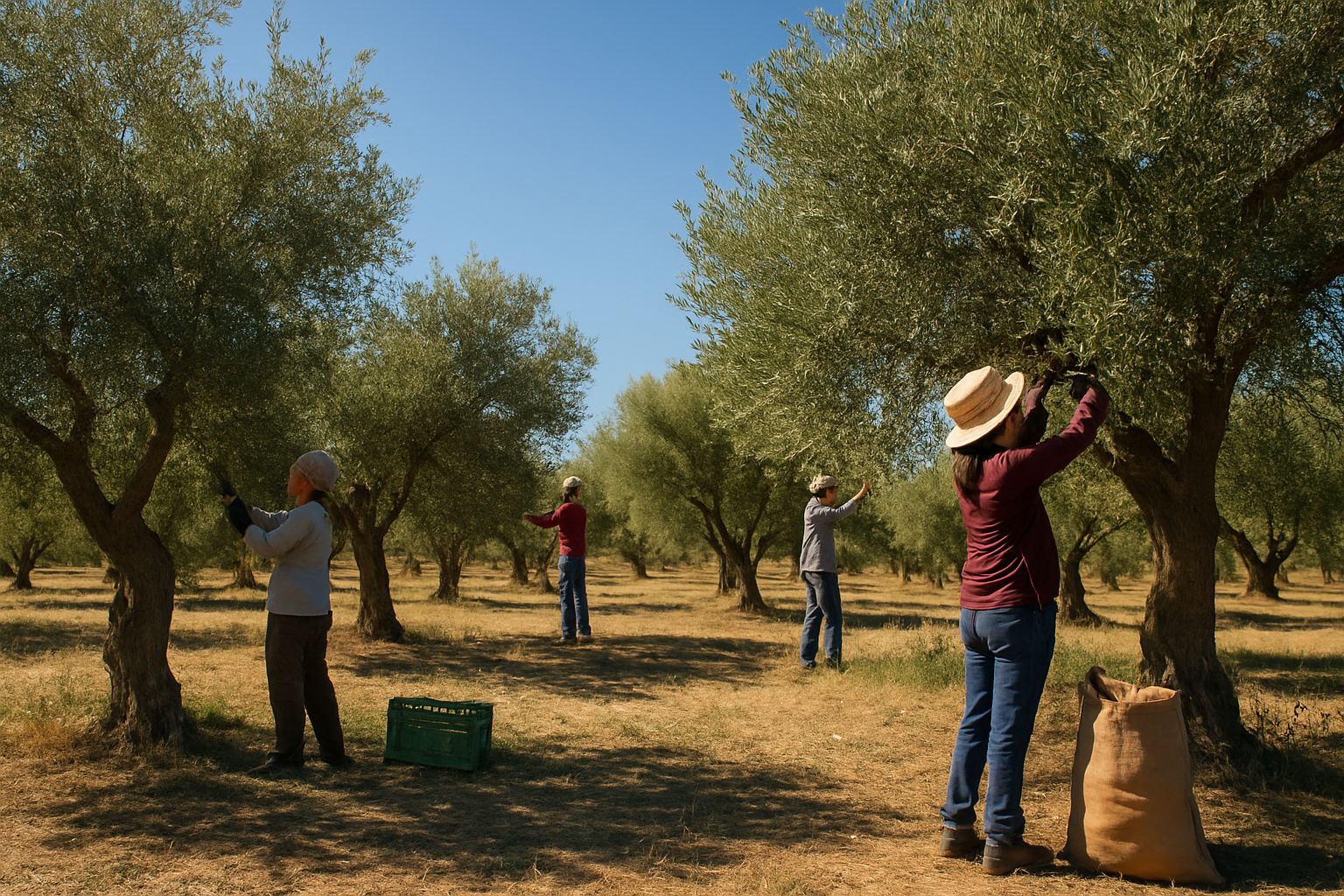
The island's largest tree crop, from the native Ladoelia and the oldest trees to the harvest, the mill and what the label on the bottle means.
Read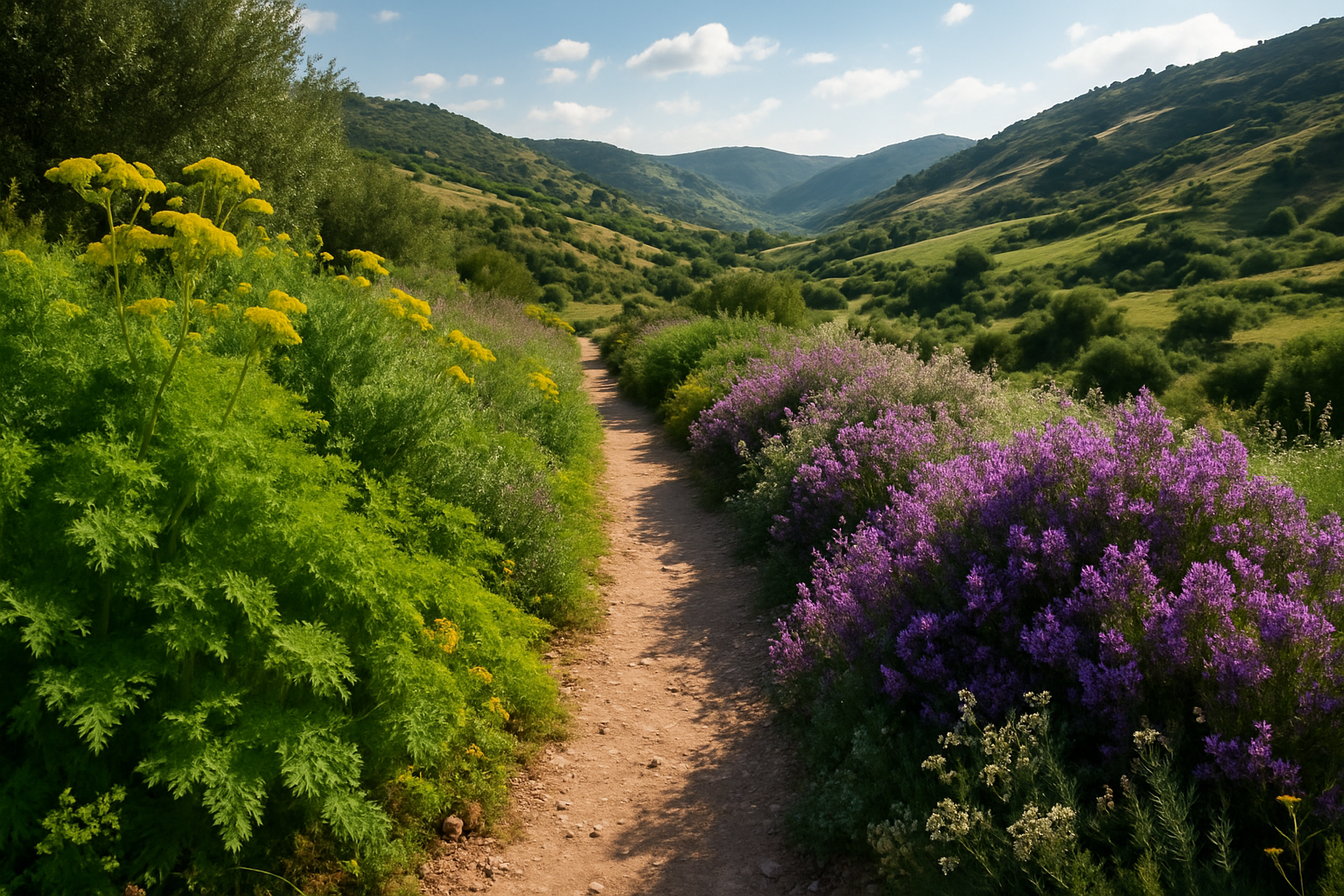
Where to walk among Cyprus' wild sage, thyme and oregano, and where to see the island's herbs grown, labelled and distilled.
Read