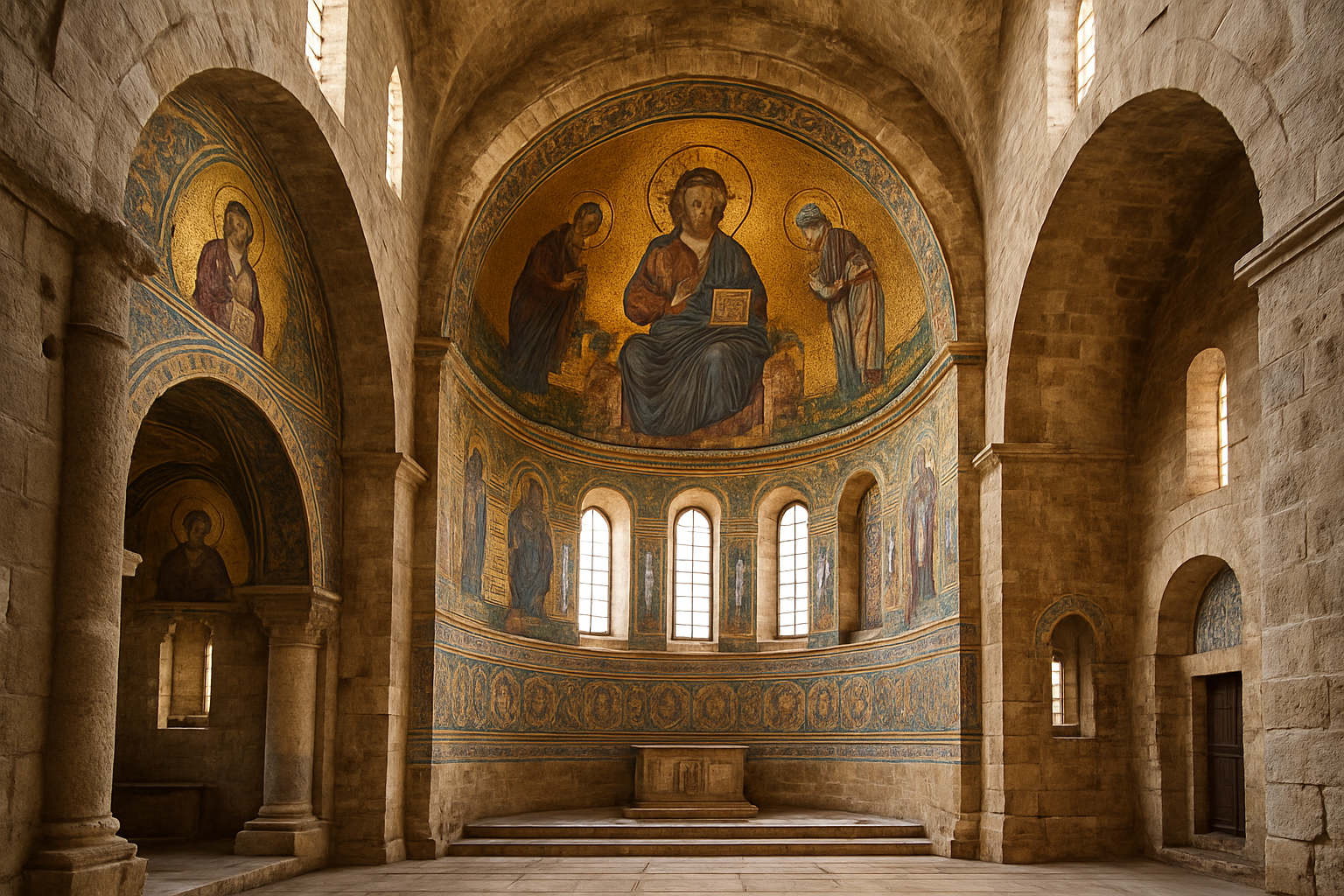
Stepping into the Byzantine churches of Cyprus is akin to opening a time capsule of spiritual and artistic heritage that has stood resilient through centuries. These ecclesiastical treasures are scattered across the island, each one bearing the marks of a tumultuous history, yet together they weave a tapestry of faith and artistry that is nothing short of awe-inspiring.
Cyprus's location at the crossroads of Europe, Asia and Africa has imbued it with a rich cultural blend, and nowhere is this more evident than in its Byzantine churches. Many of these churches date back to the 9th to 15th centuries, a period when Byzantine art flourished, resulting in a spectacular array of frescoes and mosaics that adorn the walls and ceilings. The Troodos mountain range is home to ten of these churches, collectively recognised as a UNESCO World Heritage Site due to their outstanding historical and artistic significance.
One cannot visit these sacred sites without being captivated by the intricate artistry that defines them. The church of Panagia tou Araka in the village of Lagoudera is a prime example. Its 12th-century frescoes are remarkably well-preserved, displaying meticulous attention to detail and vibrant colours that have barely faded with time. These frescoes offer a glimpse into the religious fervour of the period, depicting scenes from the life of Christ and the Virgin Mary with a sincerity that transcends the ages.
Further exploration will lead you to the church of Agios Nikolaos tis Stegis near Kakopetria. This church, dating from the 11th century, is unique with its steep-pitched timber roof, a feature designed to protect the structure from the heavy snows of the Troodos mountains. Inside, the walls are adorned with frescoes from different periods, providing a visual history that spans several centuries. Each layer of art reflects the stylistic transitions and the influences of the eras they were created in, offering a fascinating study for art historians and casual visitors alike.
While the visual splendour of these churches is undeniable, they also hold deep spiritual significance. They remain active places of worship and are deeply embedded in the local communities' cultural fabric. Visiting during one of the many religious festivals celebrated throughout the year can provide a deeper understanding of their living legacy. The blend of incense, candlelight and liturgical chants creates an atmosphere that is both sacred and inviting.
For those curious about the legends that accompany these architectural wonders, the church of Panagia Asinou is often said to be linked to miraculous events. Nestled in a wooded valley, this early 12th-century church is celebrated for its detailed frescoes, some of which depict scenes from the Old Testament. Local folklore adds a layer of mystique, with tales of icons that have reportedly moved by themselves or bestowed blessings upon the faithful.
As you plan your visit, it is worth noting that while many of these churches are open to the public, they may have specific visiting hours, especially those still in use for regular services. Modest dress is generally required as a sign of respect. Guided tours can offer a more detailed understanding of the art and history, though simply absorbing the quiet beauty and spiritual atmosphere is an experience in itself.
Whether you are a pilgrim, a history enthusiast or an art lover, Cyprus's Byzantine churches offer a rare opportunity to connect with a past that is both distant and incredibly present. Their doors are open to those who seek not just to witness, but to feel the profound legacy they hold.
For those considering a deeper connection with Cyprus, exploring these churches could be the start of a lasting relationship with the island. Should you find yourself drawn to the idea of making Cyprus your home, our relocation help can smooth the path towards your new beginning. Cyprus's rich history and welcoming culture await you.
